
Why delivery routes avoid left turns (and what it saves)
When you plan and optimize routes, the goal is to create routes safe for drivers, cost-effective and time-efficient. Many small and giant businesses (like UPS) try to avoid left-hand turns from their delivery routes (right-turns for countries with left-hand traffic) to achieve all these goals. Even though this approach looks like it increases the total driving distance and route time than what you would typically plan, routes that avoid left-hand turns can be more fuel-efficient, reduce accident risks, and are more suitable for special equipment.
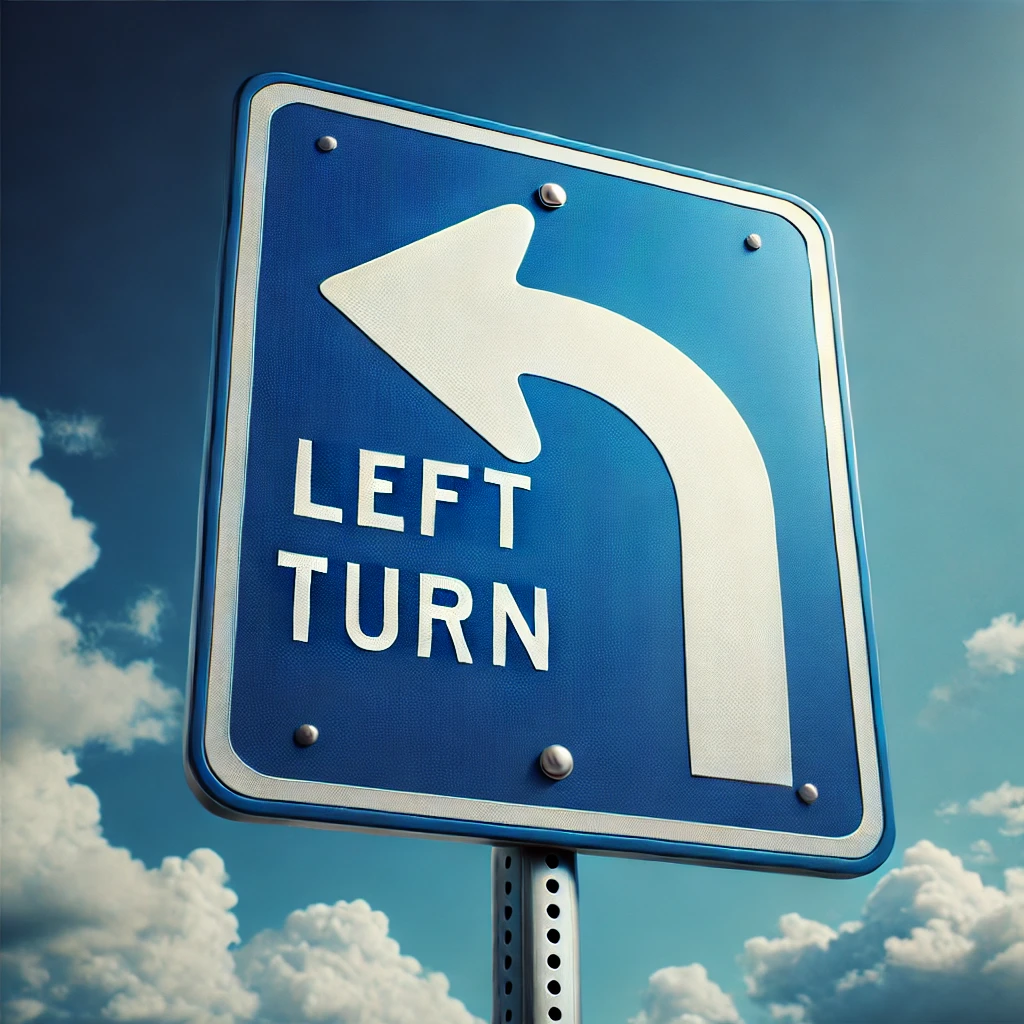
And UPS’s approach is backed by science. Eliminating at least some left turns will make roads a lot safer. Turning left is one of the most dangerous moves on the roads. Around 61% of accidents happen at intersections where a left turn is involved.
Why? Picture yourself behind the wheel, making a left turn. You need to go against oncoming traffic and accelerate harder when you can safely turn. But then you’ll have to make a full stop again because there are pedestrians crossing the street. Some of the car’s back will block the first lane, forcing the oncoming drivers to brake.
And if the street is a single lane, the cars behind you have to stop. Depending on how much time you spend waiting, the traffic behind will build up, leading to virtual intersections.
Left turn restrictions are more effective at busier intersections in the centers of towns or cities, rather than at less busy intersections further from the busy center.
How does driving work when dodging left turns?
You need to plan ahead and take the right turns that eventually lead back to the location. Some cities have gone a step further and limited the left turns allowed. Making more right turns than one left would look like a highway cloverleaf interchange, which unsurprisingly is faster. Clover leaves are one of the most well-designed ways to introduce turning drivers back into the traffic flow safely, with the minor stress of merging.
A right turn is usually smoother, with dedicated lanes and intermittent green lights to pass more easily. Regardless of the intersection type and if that intersection has traffic lights, cars turning left have to idle much longer. They are either waiting for the traffic light or waiting for the traffic to clear out. All these idling minutes can add up to wasting hours of valuable time and burning tons of fuel and money.
Reduce fuel
Companies like UPS have not banned left turns completely, but only make them when there’s no other alternative. With the rising costs of fuel in 2022, you might want to take a look at the “no left turn” policy. For example, UPS saves 10 million gallons of fuel a year only by avoiding left turns wherever possible. It seems hard to believe that not turning left can lead to such significant savings, but even Mythbusters has successfully tested this theory.
Right-hand turns can be rolled through if you time them correctly. This is a key differentiator for turns in the city. Most fuel is used by a vehicle’s engine when accelerating. The more you speed up and slow down, the more fuel you’ll use. Although the right turn may be physically longer including lights and such, the demand on the engine could be less if they are coasting through the turns rather than stopping and having to get back to speed. Idling and accelerating from a complete stop are almost always your points of lowest fuel efficiency because that’s when the engine works hardest compared to the speed/distance you’re achieving.
Save time
Of course, not many companies can compare the volume of a carrier like UPS. But even at lower volumes, savings add up. When you avoid the left turns from your delivery routes can significantly improve the bottom line of your business.
Increase driver safety
Since a left turn is considered one of the most dangerous driving maneuvers, changes to this approach are more than beneficial to driver safety and road safety.
How Logistia Route Planner can help?
With Logistia’s optimization engine, you can add hundreds of stops and get efficient and cost-effective routes. Our app will create routes that take a series of parameters to generate your routes and will avoid as many left turns as possible. Create your account and start optimizing for fewer left turns.